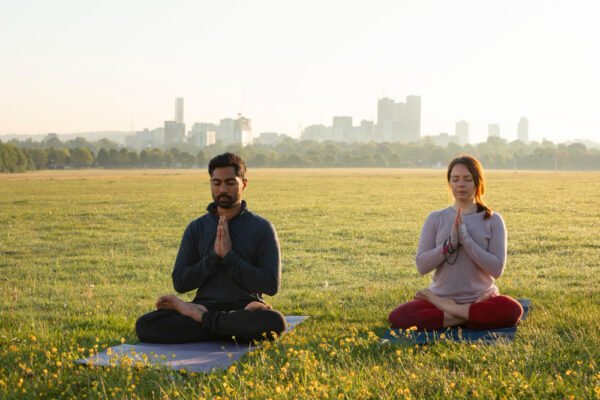

Meditation is easy until you actually sit down to do it. You close your eyes, take a deep breath, and then suddenly your mind recalls an email you forgot to send three days ago, what you had for lunch and that embarrassing thing you said many years ago. That’s perfectly normal.
Meditation is a practice, and finding the right kind of meditation for you can make it a lot easier. There are two popular ways to do this: guided meditation and silent meditation. Both can help create a calmer, more focused state of mind, but they are very different experiences.
What Is Guided Meditation?
Guided meditation is when you follow along with a teacher or recorded voice that takes you through the practice. You may be directed to pay attention to your breath, to relax various parts of your body, to notice your thoughts or to imagine a particular situation.
A voice to follow can be reassuring for someone new to meditation. No more wondering, “Am I doing this right?” The instructions give your attention somewhere to settle.
So, guided meditation is especially good for people who are looking into meditation courses for beginners. It can also be good for those who appreciate structure or struggle with concentration during solo meditation.
What Is Silent Meditation?
Silent meditation offers you far more scope to watch your own experience. No voice telling you what to do next. You can simply pay attention to your breath, to the physical sensations or the thoughts that come and go.
At first, silence might seem startling. Your mind can create an unwelcome to-do list. However, with consistent effort, you may learn to recognise these ideas and avoid being consumed by them.
Silent meditation may also appeal to those who already have some experience and prefer a quieter and more self-directed practice.
Guided vs. Silent Meditation: Which Should You Choose?
There is no one universal answer. Your choice may depend on your experience, personality and what you need from your practice.
If new to meditation, guided meditation may help you get started and provide a structured approach. That’s why there are often guided practices in meditation courses for beginners.
If you are happy sitting with your thoughts and like less instruction, silent meditation may be more natural. You can use either. Guided sessions can help you to settle into practice, and silent meditation gives you time to practise on your own.
Discover Your Meditation Style with Enlightened Circle
Meditation doesn’t have to be something else you struggle to get right. The important thing is to find a practice that you can return to regularly.
Whether you’re a beginner or want to deepen a current practice, courses for beginners and structured guidance can help you find a steady foundation.
Want to carve out some quiet time for yourself? At Enlightened Circle, we have meditation courses for beginners to suit your pace, your needs and the everyday life you lead.